
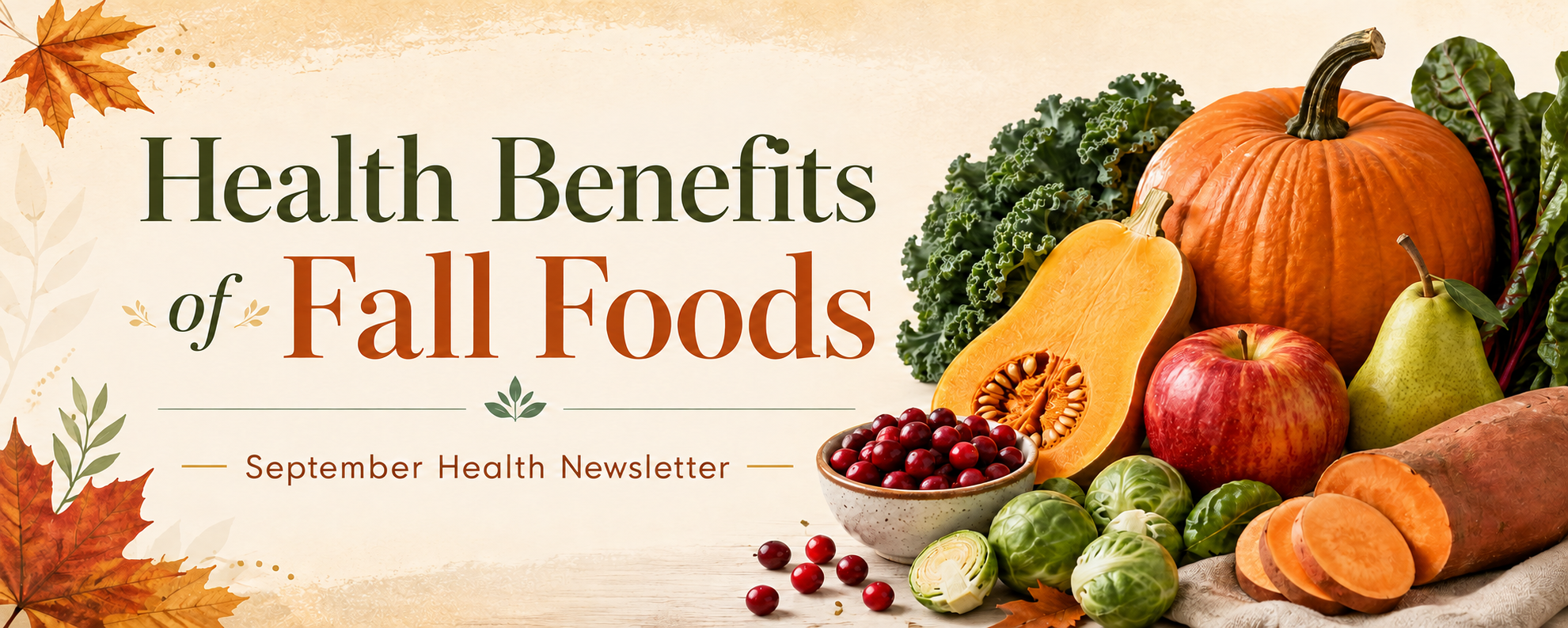
Fall brings cooler temperatures, colorful leaves—and an abundance of fresh fruits and vegetables. Apples, pears, pumpkins, winter squash, sweet potatoes, brussels sprouts, leafy greens and cranberries are among the foods commonly harvested or widely available during the fall season.[1]
Adding more fruits and vegetables to meals is an easy way to increase your intake of fiber, vitamins, minerals and beneficial plant compounds.[2,3] Seasonal foods can also encourage us to try new recipes and add more variety and color to our diets.
Apples
Apples are one of fall’s most recognizable foods. Varieties range from sweet Honeycrisp and Gala to tart Granny Smith. Apples provide fiber, vitamin C and naturally occurring plant compounds.[3] Eating a whole apple instead of drinking apple juice also provides more fiber, which supports digestive health and can help you feel full longer.[4]
Try them: Add sliced apples to oatmeal or salad, pair them with nut butter, or enjoy one as an easy snack.
Pumpkin & Winter Squash
Pumpkin, butternut squash, acorn squash, delicata and spaghetti squash are all popular fall choices.[1] Their orange and yellow colors come partly from carotenoids such as beta-carotene, which the body can convert into vitamin A. Vitamin A supports normal vision, immune function and other important body processes.[5]
Try them: Roast butternut or acorn squash, add pumpkin to soup or chili, or use spaghetti squash as the base for a vegetable-rich meal.
Remember: Pumpkin itself is nutritious, but pumpkin-flavored desserts and drinks may contain large amounts of added sugar.[2]
Sweet Potatoes
Sweet potatoes are naturally sweet, filling and versatile. They provide fiber, beta-carotene and other vitamins and minerals.[3,5]
Try them: Bake a whole sweet potato, roast cubes with herbs, or add them to soups and stews.
A simple fall combination is roasted or baked sweet potatoes and apples, which pairs two seasonal favorites in one dish.[7]
Pears
Pears are another fall fruit that works well in both sweet and savory foods.[1] Like apples, whole pears provide fiber along with vitamins and other naturally occurring nutrients.[3]
Try them: Slice pears into a spinach salad, add them to oatmeal, bake them with cinnamon, or pair them with cheese and nuts.
Shopping tip: Many pears continue to ripen after they are picked. If they are firm when purchased, allow them to ripen at room temperature.
Brussels Sprouts, Broccoli & Cauliflower
Fall is a great time to add more cruciferous vegetables to your plate. Brussels sprouts, broccoli, cabbage and cauliflower are all included among USDA’s seasonal fall produce choices.[1]
These vegetables provide fiber, vitamins, minerals and naturally occurring plant compounds.[3,4]
Try them: Roast brussels sprouts until crisp around the edges, add broccoli to soup or stir-fry, or roast cauliflower with garlic and herbs.
Dark Leafy Greens
Kale, spinach, collard greens and swiss chard can also be great fall choices.[1] Dark-green vegetables provide a range of important vitamins, minerals and fiber.[2,3]
Try them: Add kale to soups, stir spinach into eggs, make a salad with greens and sliced apples, or sauté collard greens as a side dish.
Cranberries
Fresh cranberries begin appearing in stores during the fall and are another seasonal option.[1] They provide fiber, vitamins and naturally occurring plant compounds.[3]
Because cranberries are very tart, many sauces, juices and dried cranberry products contain added sugar.
Shopping tip: Check the Nutrition Facts label and ingredient list when buying packaged cranberry products.[2]
Why Eat Seasonally?
Fresh, frozen, canned and dried fruits and vegetables can all be part of a healthy diet. Seasonal eating simply offers another way to add variety, flavor and nutrient-rich foods to your meals.[1,2]
Eating with the seasons can also help you:
- Try fruits and vegetables you may not normally buy.
- Discover foods grown in your area.
- Experiment with new recipes.
- Visit farms, orchards and farmers markets.
- Add more colorful whole foods to your meals.
Rather than searching for one perfect “superfood,” aim to eat a variety of fruits and vegetables throughout the week.[2,4]
Where Can You Find Fall Foods?
Grocery stores: Look for seasonal displays featuring apples, squash, pumpkins, sweet potatoes and other fall produce.
Farmers markets: These are a great place to see what is currently being harvested in your area. USDA maintains a National Farmers Market Directory with market locations and operating information.[6]
Local farms and orchards: Fall is a popular time for apple orchards, pumpkin farms, roadside stands and on-farm markets.
Community Supported Agriculture (CSA): CSA programs allow customers to receive regular shares of locally grown foods during the harvest season.[6]
Fall Health Challenge
Choose one fall fruit or vegetable you have not eaten recently and add it to your meals this week. Try a new apple variety. Roast a squash you’ve never cooked before. Add kale to soup. Visit a farmers market. Bake a sweet potato instead of choosing a packaged side dish.
This article is intended for general health education. Individual nutrition needs vary. People with specific dietary or medical needs should consult their healthcare provider or registered dietitian.
©2026ProgressiveHealth
References
1. U.S. Department of Agriculture, SNAP-Ed. Seasonal Produce Guide: Fall Produce.
2. U.S. Department of Health and Human Services & U.S. Department of Agriculture. Dietary Guidelines for Americans, 2025–2030.
3. U.S. Department of Agriculture, Agricultural Research Service. FoodData Central.
4. Centers for Disease Control and Prevention. Healthy Eating Tips and Fruits and Vegetables to Manage Weight.
5. National Institutes of Health, Office of Dietary Supplements. Vitamin A and Carotenoids: Fact Sheet for Consumers.
6. U.S. Department of Agriculture, Agricultural Marketing Service. Local Food Directories and National Farmers Market Directory.
7. U.S. Department of Agriculture, SNAP-Ed. Fall Recipes.