
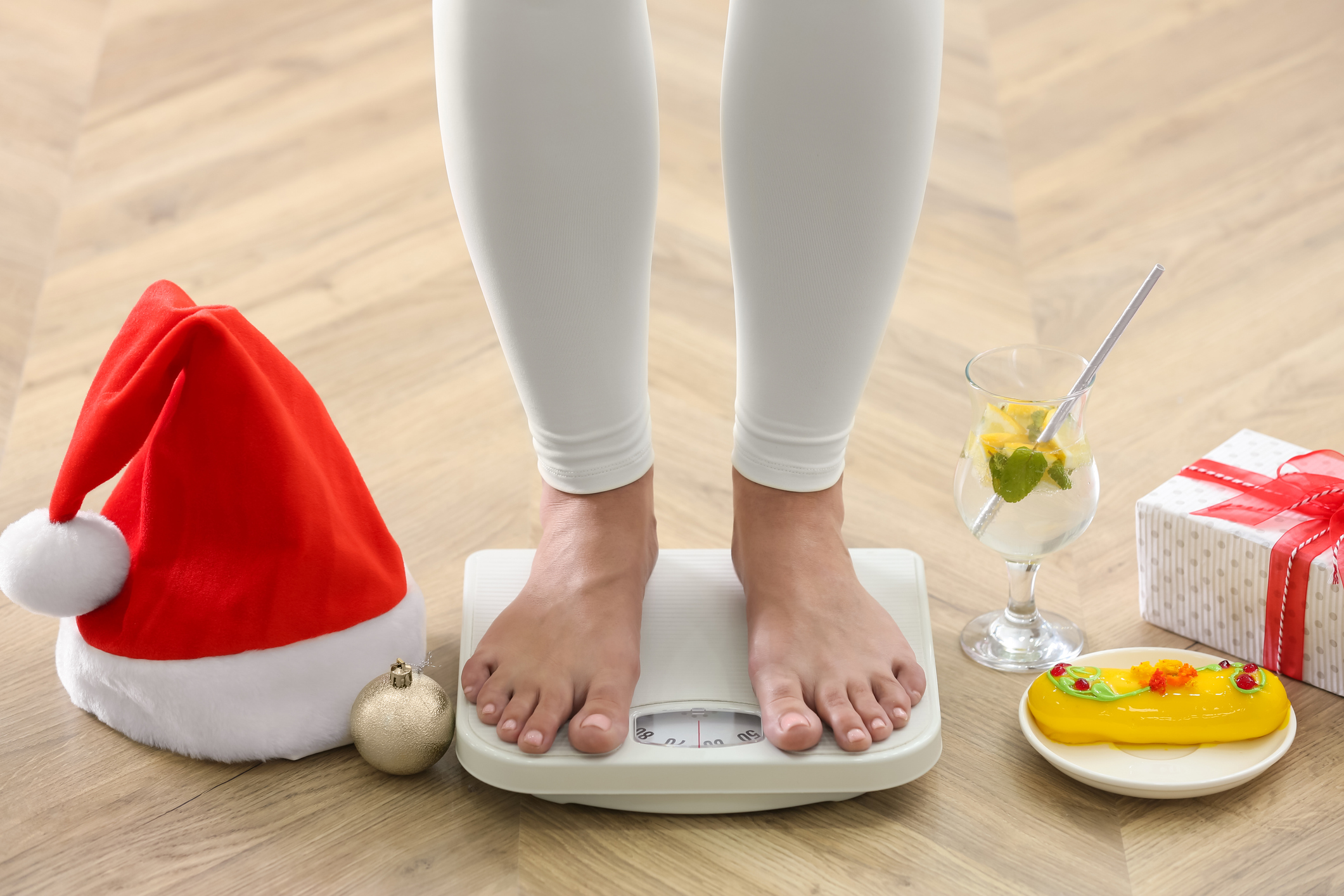
As winter arrives and temperatures fall, many people notice the scale creeping up—even when habits feel the same. Winter weight gain is a common seasonal pattern. Understanding what metabolism is, why colder months affect weight, and how small changes help can keep you healthier all season long.
What Is Metabolism?
Metabolism is your body’s internal “engine”—the processes that convert food into energy. These reactions keep your heart beating, lungs working, and cells repairing 24/7. A major part of this system is your basal metabolic rate (BMR), which accounts for about 70% of daily calorie burn [1]. The rest comes from physical activity and digesting food.
Several factors affect your metabolism:
- Age: Metabolism gradually slows as you get older.
- Muscle mass: Muscle burns more calories than fat, even at rest.
- Sex: Men typically have a higher BMR due to greater muscle mass.
- Genetics: Some people naturally process energy faster or slower.
- Hormones: Thyroid, insulin, cortisol, and sex hormones all play a role.
These factors help explain why winter can disrupt your usual energy balance.
Why Winter Can Lead to Weight Gain?
- Shorter Days and Less Sunlight – Less sunlight lowers serotonin, which can trigger carb cravings, and increases melatonin, which boosts tiredness and lowers motivation [2]. This combination encourages more eating and less activity.
- Reduced Activity in Cold Weather – Cold, dark, or icy conditions make outdoor movement less appealing. Activity levels commonly drop by 20–30% in winter [3]. Even small decreases—like fewer daily steps—can lead to weight gain over time.
- Comfort Food and Holiday Eating – Winter meals tend to be richer and more calorie-dense. Holiday events also increase grazing, snacking, and dessert intake. These seasonal foods, while enjoyable, add more calories than many realize.
- Natural Biological Changes – Some research indicates humans experience mild seasonal appetite changes, feeling hungrier or seeking higher-calorie foods during colder, darker months [4].
- Slight Metabolic Changes – While the body burns a bit more energy staying warm, this effect is small unless you’re in prolonged cold exposure. Hormonal and behavioral shifts affect metabolism far more than temperature changes [5].
- Holiday Stress and Sleep Disruptions – Winter stress and busy schedules increase cortisol, which raises appetite. Poor sleep affects hunger hormones like ghrelin and leptin, making cravings stronger [7].

How to Manage Winter Weight Gain
1. Prioritize Daily Movement
Aim for 150 minutes of moderate aerobic activity per week, even indoors. Some ideas:
- Treadmill or indoor walking
- Body-weight strength training
- Dance workouts, yoga, or online exercise classes
- Use stairs at home or work
Strength training is especially valuable—it boosts muscle mass, which increases metabolism and helps burn more calories even at rest.
2. Maintain a Balanced Plate
Winter foods can be hearty without being unhealthy.
Consider:
- Warm soups made with vegetables, beans, lean protein
- Oatmeal or whole-grain breakfasts rather than pastries
- Roasted veggies, winter squash, sweet potatoes
- Lean proteins like turkey, chicken, tofu, or fish
Aim for half your plate in vegetables, one quarter lean
protein, and one quarter whole grains.
3. Support Healthy Hormones with Light Exposure
Get sunlight when you can—ideally within the first hour after waking. Even 10–15 minutes helps regulate melatonin and serotonin levels [6]. Light therapy lamps may also help
during dark winter months.
4. Focus on Sleep Quality
Cooler temperatures and early darkness can disrupt sleep. Poor sleep raises hunger hormones ghrelin and cortisol, making winter cravings worse [7].
Try to:
- Keep a consistent sleep/wake schedule
- Avoid screens 1 hour before bed
- Keep your bedroom cool but not cold
5. Stay Hydrated
People drink less water in winter without realizing it, leading to fatigue and hunger misinterpreted as appetite [8].
Try herbal teas, warm water with lemon, or setting reminders to sip water throughout the day.
6. Plan for Seasonal Treats—Don’t Avoid Them Entirely
Holiday meals and winter comfort foods can absolutely fit into a healthy lifestyle. Instead of cutting them out, use mindful strategies:
- Enjoy small, intentional portions
- Fill up on fiber-rich foods first
- Don’t skip meals to “save calories”—it backfires and increases overeating
7. Keep Stress in Check
Winter stress, especially around the holidays, can lead to emotional eating. Use techniques such as:
- Deep breathing or meditation
- Light daily stretching
- Setting realistic seasonal expectations
Winter weight gain is extremely common, and it doesn’t mean you’re doing anything wrong. A combination of biological changes, reduced sunlight, comfort foods, and lower activity levels all play a part. By understanding your metabolism and adopting small winter-friendly habits, you can stay energized, maintain a healthy weight, and enter spring feeling your best.
©2026ProgressiveHealth
References
- Hall KD, et al. “Energy balance and metabolism.” American Journal of Clinical Nutrition.
- Lambert GW, et al. “Effect of sunlight on serotonin levels.” The Lancet.
- Tucker P & Gilliland J. “Seasonal variation in physical activity.” Health Reports.
- Stevenson TJ. “Seasonal rhythms in human appetite.” Frontiers in Neuroscience.
- Speakman JR. “Cold exposure and human energy expenditure.” Journal of Thermal Biology.
- LeGates TA, et al. “Light, circadian rhythms, and mood regulation.” Science.
- Taheri S, et al. “Short sleep duration and appetite hormones.” PLoS Medicine.
- Kenney WL & Chiu P. “Influence of cold weather on hydration.” *Sports Medicine.”